The Function of Personnel Training in Top Quality Memory Care
Business Name: BeeHive Homes of Levelland
Address: 140 County Rd, Levelland, TX 79336
Phone: (806) 452-5883
BeeHive Homes of Levelland
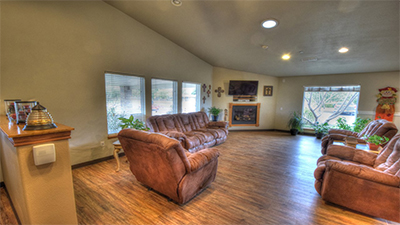
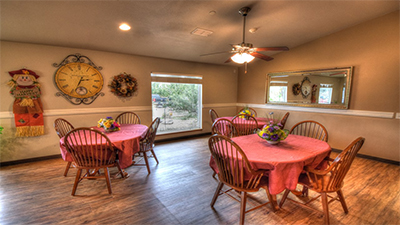
Beehive Homes of Levelland assisted living care is ideal for those who value their independence but require help with some of the activities of daily living. Residents enjoy 24-hour support, private bedrooms with baths, medication monitoring, home-cooked meals, housekeeping and laundry services, social activities and outings, and daily physical and mental exercise opportunities. Beehive Homes memory care services accommodates the growing number of seniors affected by memory loss and dementia. Beehive Homes offers respite (short-term) care for your loved one should the need arise. Whether help is needed after a surgery or illness, for vacation coverage, or just a break from the routine, respite care provides you peace of mind for any length of stay.
140 County Rd, Levelland, TX 79336
Business Hours
Families normally start searching for memory care when something small has actually come to be impossible to disregard. An expense goes unpaid once again. A loved one wanders out of the house at 2 a.m. A once-confident parent becomes frightened by familiar areas or fails to remember exactly how to use the microwave. At that point, the inquiry is not only where to find assistance, yet just how to acknowledge excellent assistance when it appears.
That is where team training becomes the distinction between a location that simply houses older grownups and a place that truly sustains them. In high quality memory care, trained staff are not an added feature put into the pamphlet. They are the structure. They shape safety, tranquility, self-respect, communication, regimens, and the total emotional environment of the community. When families look for memory care near me or compare senior living near me options, they typically focus on amenities, area, and cost first. Those issue. Yet the real everyday experience for a resident depends far more on the understanding and judgment of the group at the bedside, at the front desk, and in the dining room.
Memory care is specialized work, not basic senior care with a new label
A typical mistake is presuming all elder care is basically the very same, simply with different levels of assistance. In practice, memory care asks team to do a different type of job. Locals may cope with Alzheimer's condition, Lewy body dementia, vascular dementia, or another kind of cognitive problems. The signs and symptoms can overlap, yet the daily realities vary extensively. Someone might be literally solid yet not able to follow two-step directions. Another may be well-versed and witty in the early morning, after that confused and upset by sunset. A 3rd might appear calm until noise, groups, or a change in caretaker triggers distress.
Training prepares personnel to see beyond the actions and reply to the underlying requirement. A resident that refuses a shower might not be "hard." She might be cold, embarrassed, afraid of falling, or not able to translate what is being asked. A resident who paces every afternoon may not be "uneasy" in a vague sense. He may be looking for function, attempting to eliminate anxiety, or re-creating the walking regular he complied with for decades.
These distinctions matter due to the fact that memory care teems with minutes where the wrong response can rise a circumstance promptly. Skilled team do not rely on force or confrontation. They make use of techniques that protect count on, and trust fund is the money of excellent dementia support.
The finest training begins with understanding exactly how dementia changes communication
Communication is one of the initial points that moves when memory declines, but it is hardly ever reviewed with the severity it is worthy of. Educated personnel learn that the issue is not just failing to remember names or dates. Language handling, interest, sequencing, and emotional law can all be affected. A resident may hear every word and still not recognize the message. Or the resident might understand words however not the indicated urgency.
That is why high quality memory care team method talking slowly, making use of short expressions, and giving one guideline at a time. They learn to come close to from the front, make eye call, and utilize a tranquil tone that signals safety. They also learn when silence helps more than words. Sometimes a resident needs a time out, not one more explanation.
I have actually seen just how much distinction this makes during something as common as morning meal. An inexperienced worker might stand close to a resident and say, "You need to find to the dining room currently since breakfast is nearly over and you still have to obtain clothed first." That sentence has a lot of actions, way too much stress, and too many abstract ideas. A trained caretaker is more probable to say, "Good morning. Allow's go to breakfast," while using an arm and leading with self-confidence. The 2nd variation conserves everyone time due to the fact that it decreases confusion at the source.
This kind of interaction is not simply a precision. It helps avoid agitation, rejection of care, and avoidable problem. It likewise sustains locals' self-respect, which can erode rapidly when every communication seems like correction.
Training shapes just how team respond to tough behaviors
Families usually feel relieved when a community claims it supplies memory care, however they may not recognize how much habits management relies on personnel ability. Straying, aggressiveness, sundowning, resistance to care, repeating, and suspicion are not random inconveniences. They are commonly messages. The difficulty is that those messages show up in forms that can be laborious, discouraging, and even frightening.
Quality training instructs team to search for triggers prior to attempting to stop the habits. Is the space too noisy? Is the resident hungry, overheated, constipated, tired, or overstimulated? Did the shift adjustment present a brand-new face without advising? Was the resident searching for a bathroom or asking for a partner who passed away years ago? The more accurately team can identify the factor behind a habits, the a lot more gentle and effective their response becomes.
This is where a solid team differs from an average one. In weak setups, personnel might reply to frustration by talking louder, repeating directions, or insisting on conformity. In a trained setup, team redirect gently, eliminate unnecessary stimulation, offer options that are limited yet actual, and maintain the resident's feeling of control. If a resident is disturbed about leaving "home," for instance, personnel might stay clear of arguing regarding the precision of the statement. They might recognize the sensation, after that reroute toward a familiar activity or object.
That method can look simple from the outdoors, but it takes method. It requires personnel to understand that memory care is not concerning winning a discussion. It is about lowering distress and helping the individual action with the day with as little anxiety as possible.
Safety relies on more than alarm systems and secured doors
Families frequently think of safety in memory care as physical security, and of course that matters. Safe and secure departures, fall avoidance, drug supervision, and ecological layout are very important. Yet trained staff are what make those safeguards operate in technique. A protected door does little if personnel do not discover a resident going to it with function and complication. A non-slip flooring aids, but it does not replace a watchful eye and a clever transfer elderly care technique.
Training covers the essentials that safeguard locals from injury, such as fall-risk understanding, safe transfers, infection control, hydration monitoring, and emergency response. Yet the much deeper worth depends on judgment. Experienced memory care team discover exactly how to spot subtle modifications that can indicate a larger problem. A resident who instantly rests greater than typical might be establishing an infection. A resident that becomes uncommonly combative might be in pain. A resident that begins missing meals may be dealing with a change in appearance, vision, medicine, or mood.
This is where senior care ends up being absolutely preventive rather than reactive. Educated staff notification the early signs, communicate them promptly, and include the right specialists prior to a small problem comes to be a hospitalization.
The same concept relates to atmosphere. Excellent training aids personnel comprehend how lights, sound, mess, and schedule adjustments impact homeowners. It is not uncommon for a straightforward shift in routine to cause confusion. A late meal, a different caregiver, or a too-bright area can create a rough afternoon. Personnel that comprehend these patterns can change before the day unravels.
Consistency is just one of the toughest types of care
People with dementia usually depend on knowledge because memory itself is much less reliable. That makes staff consistency extremely useful. Training assists a team run in such a way that really feels stable to citizens. When everyone uses comparable language, similar regimens, and comparable approaches to redirection, residents do not have to relearn the social policies every hour.

This uniformity is particularly important throughout personal care. Showering, dressing, toileting, and medicine support can become flashpoints if the caretaker's design changes everyday. One staff member may hurry. Another may overexplain. An additional might think the resident ought to remember what takes place following. Training provides the team a common standard, which aids citizens really feel even more secure.
It likewise helps households. Relatives typically watch very closely to see whether their loved one appears calmer, cleaner, better fed, and much more resolved after relocating right into memory care. That outcome is hardly ever the outcome of any solitary grand motion. More often, it originates from lots of small, duplicated, well-trained interactions.
There is a peaceful professionalism in that kind of job. It shows up in the resident that no longer fights every bedtime. It shows up in fewer bruises, fewer missed out on dishes, fewer rips, and less telephone call from a stressed out team member asking the family ahead tranquil someone down. Households really feel that distinction instantly, even if they can not always call it.
Emotional care is part of the task, not a bonus
One of the more forgot elements of training is emotional durability. Staff in memory care deal with repeated loss, pain, and complication. Homeowners may not acknowledge them from one minute to the following. They might charge team of theft, ask for dead parents, or relive old injury in the center of a normal mid-day. Without training, that psychological weight can put on individuals down and cause fatigue, rashness, or detachment.
Good training aids personnel understand that these responses are often signs and symptoms, not personal assaults. That way of thinking secures the resident, but it also safeguards the caretaker. When workers discover just how to de-escalate, how to go back, and when to request for help, they are more likely to remain grounded. That security benefits the whole community.
It is worth claiming clearly that memory care personnel do not need to be emotional robots. Homeowners can inform when somebody is cold or doing a manuscript. The best teams mix skill with warmth. They understand when a hand on the shoulder aids, when a joke reduces tension, and when a silent existence is better than recommendations. This equilibrium is not accidental. It originates from training, guidance, and a workplace society that values both capability and compassion.
Families need to ask just how personnel are educated, not just whether they are trained
When exploring an area, family members frequently ask whether the staff is trained in dementia care. That is a great beginning, but the better inquiry is just how training happens and just how typically it is enhanced. One positioning session is not nearly enough. Individuals working in memory care need ongoing assistance, refreshers, supervision, and clear expectations.
A thoughtful neighborhood can describe exactly how it trains new hires, what subjects are covered, and how efficiency is observed on the flooring. It ought to have the ability to describe strategies to communication, safety, de-escalation, and personal care. If you are contrasting respite care choices or checking out elder care neighborhoods for a lasting step, it is fair to ask how often personnel get updates when finest practices transform or when a resident's problem changes.
Families do not need a technical manual, yet they ought to listen for indicators that training is practical rather than theoretical. Excellent solutions normally appear certain. They point out darkness changes, mentoring, normal in-service education, actions documentation, and communication throughout shifts. They talk about just how personnel learn to adapt care strategies, not simply comply with a static script.
If a community can not clarify exactly how it prepares staff for the truths of memory care, that deserves noting.
What strong training looks like on a normal Tuesday
The clearest method to recognize training is to envision a common day. A resident declines lunch due to the fact that he urges he currently consumed. A less skilled employee may suggest, which usually goes nowhere. An experienced caregiver knows the goal is not to verify him incorrect. She may use a smaller plate, rest beside him, or suggest soup and crackers as a lighter choice. If he still decreases, she documents it and checks back later instead of turning the moment right into a battle.
Later, an additional resident becomes weeping after looking for her mother. A skilled group does not disregard the grief as confusion to be fixed. They validate the emotion, redirect to an acquainted activity, and see whether the sadness passes or deepens. At night, when the device gets noisier and one resident expands flustered, staff may decrease stimulation, dim lights, supply a walk, and gently move the environment prior to the circumstance ends up being a crisis.
None of these minutes looks remarkable from the exterior. That is the point. Quality memory care frequently succeeds via thousands of refined choices that protect against distress from intensifying. The homeowners may not remember every caregiver's name, yet they remember exactly how the location really feels. Calmness, respectful, and foreseeable care leaves a mark that lasts also when memory does not.
Training also sustains better synergy with families
Families are part of the care group, also when they are out website every day. Staff training need to include interaction with relatives, because member of the family bring necessary history and context. They recognize preferred labels, long-lasting regimens, old anxieties, preferred foods, and the topics that calm or distress their loved one. Educated personnel know how to pay attention without ending up being defensive and how to share observations in such a way that serves instead of alarming.
This matters most when family members are navigating the emotional stress of shift. Many people feel guilty about moving a parent right into memory care. Others really feel torn in between alleviation and grief. An excellent team does not contribute to that worry by talking in lingo or giving obscure updates. They discuss what they are seeing, what they attempted, and what seems to help.
That collaboration ends up being a lot more important when families also need respite care. An experienced memory care team can step in confidently while a partner or adult kid relaxes, takes care of work, or recuperates from fatigue. That sort of support is not a luxury. It is frequently what maintains family members caretakers from burning out completely.
The ideal setting can not make up for bad training
Beautiful structures can conceal weak take care of a while. Fresh paint, polished floors, and great furniture do not teach staff how to respond when a resident sundowns, stands up to showering, or ends up being scared at 4 p.m. Real high quality shows up in individuals, not the decor.
That does not suggest the environment is irrelevant. Far from it. A thoughtfully created memory care setting supports the work of experienced team by decreasing complication and providing clear signs. However layout alone can not offset poor judgment. A trained caregiver in a modest room will normally provide much better day-to-day care than an inexperienced caregiver in a luxurious one.
For families looking memory care near me or assessing senior living near me options, this is one of the most vital facts to hold onto. Ask to see exactly how staff communicate with locals in actual time. Watch whether people kneel to eye level, whether they speak pleasantly, whether locals seem recognized, not handled. Great training leaves a visible trail.
The most encouraging areas are typically the ones where personnel do not appear hurried, even if they are hectic. They relocate with purpose, however not panic. They correct less and overview more. They know that in memory care, exactly how something is stated can matter just as high as what is said.
A place is only as solid as individuals who show up each day
Memory care is a field where small options add up to a resident's whole experience. The appropriate training helps staff turn uncertainty into safety, agitation right into calm, and routines into comfort. It supports self-respect in minutes that can or else feel embarrassing. It aids households trust fund that their loved one is not just being seen, but truly cared for.
When training is strong, the entire neighborhood feels different. Meals go a lot more smoothly. Transitions are gentler. Locals are much less likely to spiral over small changes. Staff remain steadier. Family members breathe easier.
That is the actual function of staff training in top quality memory care. It is not an item on a list. It is the daily method that permits concern to be consistent, even when memory is not.
BeeHive Homes of Levelland provides assisted living care
BeeHive Homes of Levelland provides memory care services
BeeHive Homes of Levelland provides respite care services
BeeHive Homes of Levelland supports assistance with bathing and grooming
BeeHive Homes of Levelland offers private bedrooms with private bathrooms
BeeHive Homes of Levelland provides medication monitoring and documentation
BeeHive Homes of Levelland serves dietitian-approved meals
BeeHive Homes of Levelland provides housekeeping services
BeeHive Homes of Levelland provides laundry services
BeeHive Homes of Levelland offers community dining and social engagement activities
BeeHive Homes of Levelland features life enrichment activities
BeeHive Homes of Levelland supports personal care assistance during meals and daily routines
BeeHive Homes of Levelland promotes frequent physical and mental exercise opportunities
BeeHive Homes of Levelland provides a home-like residential environment
BeeHive Homes of Levelland creates customized care plans as residents’ needs change
BeeHive Homes of Levelland assesses individual resident care needs
BeeHive Homes of Levelland accepts private pay and long-term care insurance
BeeHive Homes of Levelland assists qualified veterans with Aid and Attendance benefits
BeeHive Homes of Levelland encourages meaningful resident-to-staff relationships
BeeHive Homes of Levelland delivers compassionate, attentive senior care focused on dignity and comfort
BeeHive Homes of Levelland has a phone number of (806) 452-5883
BeeHive Homes of Levelland has an address of 140 County Rd, Levelland, TX 79336
BeeHive Homes of Levelland has a website https://beehivehomes.com/locations/levelland/
BeeHive Homes of Levelland has Google Maps listing https://maps.app.goo.gl/G3GxEhBqW7U84tqe6
BeeHive Homes of Levelland Assisted Living has Facebook page https://www.facebook.com/beehivelevelland
BeeHive Homes of Levelland Assisted Living has YouTube page https://www.youtube.com/@WelcomeHomeBeeHiveHomes
BeeHive Homes of Levelland won Top Assisted Living Homes 2025
BeeHive Homes of Levelland earned Best Customer Service Award 2024
BeeHive Homes of Levelland placed 1st for Senior Living Communities 2025
People Also Ask about BeeHive Homes of Levelland
What is BeeHive Homes of Levelland Living monthly room rate?
The rate depends on the level of care that is needed. We do an initial evaluation for each potential resident to determine the level of care needed. The monthly rate is based on this evaluation. There are no hidden costs or fees
Can residents stay in BeeHive Homes until the end of their life?
Usually yes. There are exceptions, such as when there are safety issues with the resident, or they need 24 hour skilled nursing services
Do we have a nurse on staff?
No, but each BeeHive Home has a consulting Nurse available 24 – 7. if nursing services are needed, a doctor can order home health to come into the home
What are BeeHive Homes’ visiting hours?
Visiting hours are adjusted to accommodate the families and the resident’s needs… just not too early or too late
Do we have couple’s rooms available?
Yes, each home has rooms designed to accommodate couples. Please ask about the availability of these rooms
Where is BeeHive Homes of Levelland located?
BeeHive Homes of Levelland is conveniently located at 140 County Rd, Levelland, TX 79336. You can easily find directions on Google Maps or call at (806) 452-5883 Monday through Sunday 9:00am to 5:00pm
How can I contact BeeHive Homes of Levelland?
You can contact BeeHive Homes of Levelland by phone at: (806) 452-5883, visit their website at https://beehivehomes.com/locations/levelland/,or connect on social media via Facebook or YouTube
Visiting Taqueria Guadalajara offers familiar Mexican comfort food that residents in assisted living, memory care, senior care, elderly care, and respite care can enjoy during relaxed dining outings.